Courses are clear, engaging, and designed for real-world hotel environments.

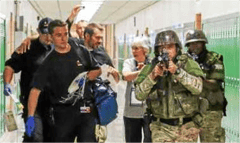
How to be prepared to respond to an active shooter; how to interact with police; and ways to protect oneself and guests.
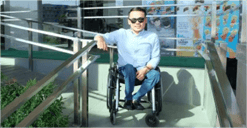
This course examines best practices used by hotels to ensure guests with disabilities receive complete and equal enjoyment of goods, services, privileges, advantages, and accommodations.

This course identifies a form of cybercrime, where criminals impersonate legitimate organizations via email, text message, advertisement, or other means in order to steal sensitive idata. It focuses on scams that affect associates and the hotel industry, and provides advice on how to prevent becoming a victim

This course explores the common causes of back injuries and practical strategies to prevent them. It covers back anatomy, proper ergonomics, muscle-strengthening exercises, methods to reduce the risk of musculoskeletal disorders, and everyday habits that support long-term back health.

This course explores the increasing prevalence of bed bugs in the United States. It explains what bed bugs are, how hotels can effectively prevent infestations, and best practices for responding to and assisting guests if an issue arises.

This course explains what bloodborne pathogens are, how they are transmitted, methods for protecting yourself, and the steps to take in the event of an exposure
Regulatory Reference: OSHA 29 Code of Federal Regulations (CFR), Section 1910.1030

This course covers the identification of hazardous chemicals, the health and safety risks associated with exposure, proper container labeling requirements, and effective methods for personal protection.
Regulatory Reference: OSHA Hazard Communication Standard (HAZCOM) 29 CFR 1910.1200

This course explores professional standards for business communication, with a focus on effective and respectful use of telephone calls, emails, and text messaging. Participants will learn best practices for tone, clarity, responsiveness, and professionalism across various workplace communication channels

This course examines how personal life experiences shape our perspectives and influence unconscious biases. It provides practical tools for building an inclusive work environment where co-workers and guests feel valued and respected.

This course provides shuttle drivers and valets with guidance on vehicle inspection and preparation, and teaches safe driving practices for urban streets, rural roads, and highways.

This course provides shuttle drivers and valets with guidance on vehicle inspection and preparation, and teaches safe driving practices for urban streets, rural roads, and highways.

This course explores the dangers of fentanyl, a powerful synthetic opioid that has contaminated illicit drugs and fueled the ongoing overdose crisis. Participants will learn what fentanyl is, its origins, and the warning signs of an opioid overdose The course also provides practical guidance on how to respond effectively if an overdose occurs on your property.

This course provides comprehensive instruction on fire safety principles, focusing on fire prevention, fire hazards, and emergency response procedures. Participants will learn how fires start, common workplace fire risks, and practical measures to reduce or eliminate those risks.
Regulatory Reference: OSHA 29 CFR 1910, Uniform Fire Code

This course explains the risks of heat-related illness in indoor work environments such as kitchens and laundries. It explores how heat affects the body, outlines practical prevention strategies to reduce risk, and identifies the actions needed to prevent symptoms from worsening.
Regulatory Reference: OSHA, Section 5(a)(1), Cal/OSHA, title 8, section 3396

This course explores the widespread issue of human trafficking, including how individuals are recruited and exploited, common indicators and warning signs, and the appropriate actions to take if suspected trafficking activity is observed on your property
Regulatory Reference: Florida Statutes, Section 509.096 Victims of Trafficking and Violence Protection Act of 2000 Virginia Department of Criminal Justice Services (DCIS)
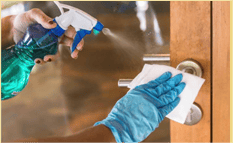
This course explores the nature of infectious diseases, their origins, and their impact on people. It places special emphasis on diseases relevant to the hotel industry and outlines best practices for working safely, protecting guests, and preventing the spread of infection.

This engaging course highlights the impact of alcohol on the body and the community while empowering participants with essential skills to responsibly serve alcohol. Learn proven s trategies to confidently prevent service to intoxicated or underage individuals, helping create a safer and more responsible environment for everyone.

This course covers safe ladder practices, including correct selection and use, proper inspection and maintenance, and strategies to prevent accidents while working at height.
Regulatory Reference: OSHA Subpart D, Sections 1910.21-1910 32

This course provides practical guidance on maintaining a safe and secure environment at your property, with a strong focus on guest safety It covers how to identify and reduce potential risks through effective building design, lighting, and access control, as well as recognizing and responding to suspicious people or activities.

This course provides an in-depth look at what constitutes a service animal under federal law, including the types of tasks and disabilities that qualify. It also covers the specific obligations hotels have to ensure compliance with the Americans with Disabilities Act (ADA), such as allowing service animals in guest areas, and maintaining appropriate staff training.
Regulatory Reference: Americans with Disabilities Act (ADA)

This course examines appropriate workplace behavior and covers key topics such as discrimination, harassment, and bullying. It explains how employees' actions and conduct affect others and provides guidance on preventing, recognizing, and responding to sexual harassment.
Regulatory Reference: Title VII of the Civil Rights Act of 1964

This course equips managers and supervisors with a clear understanding of what constitutes sexual harassment and what does not. Participants will learn how behaviors and actions can affect others in the workplace, as well as best practices for preventing, recognizing, and appropriately responding to sexual harassment and reports of harassment.
Regulatory Reference: Americans with Disabilities Act (ADA)

This course examines appropriate workplace behavior and covers key topics such as discrimination, harassment, and bullying. It explains how employees' actions and conduct affect others and provides guidance on preventing, recognizing, and responding to sexual harassment.
Regulatory Reference: Title VII of the Civil Rights Act of 1964

This course covers the essential components of delivering high-quality valet service, emphasizing excellent customer service, industry best practices, and strict adherence to policies and procedures. It also highlights common risks faced by valet attendants and provides guidance on preventing injuries and maintaining a safe working environment.

This course explores the definition of workplace violence, including its various types and forms, as well as warning signs that may indicate a person could become violent It also covers strategies to help prevent workplace violence and techniques for de-escalating aggressive behavior before it escalates into violence.
Regulatory Reference: Cal/OSHA Labor Code Section 6401.9.